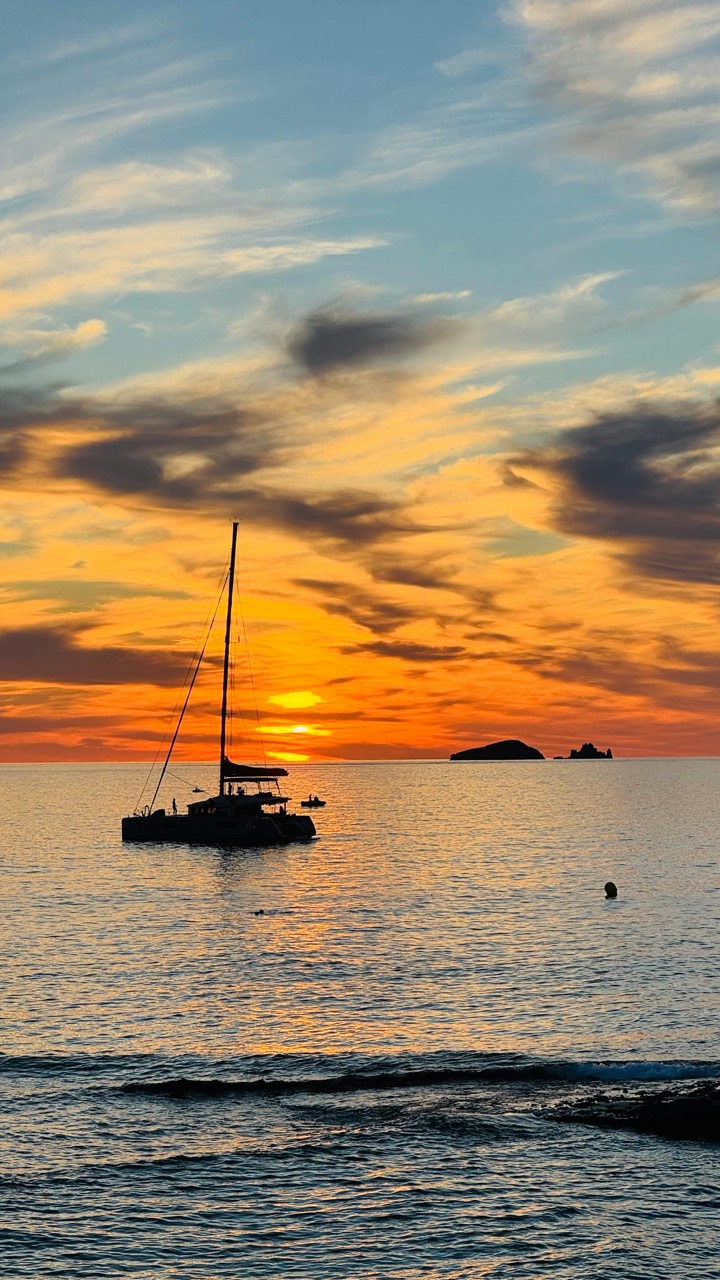
Jamaica sits between 17° and 18° north latitude, which gives it some of the Caribbean’s most dramatic seasonal swing in sunset times. In the heart of peak season — December through February — the sun drops below the horizon around 5:45 p.m. By midsummer, that pushes all the way to 7:10 p.m., giving you a long, warm evening to work with.
The 35-Minute Rule
Experienced sunset watchers know that the sky often puts on its best display before the sun technically sets. The 20–35 minutes preceding sunset — what photographers call the “golden hour” — is when the light is warmest, shadows are longest, and the sky begins its first blush of colour.
Arrive at your viewing spot at least 35 minutes early. Order your drink, get comfortable, and let the light come to you.
Best Months for Colour
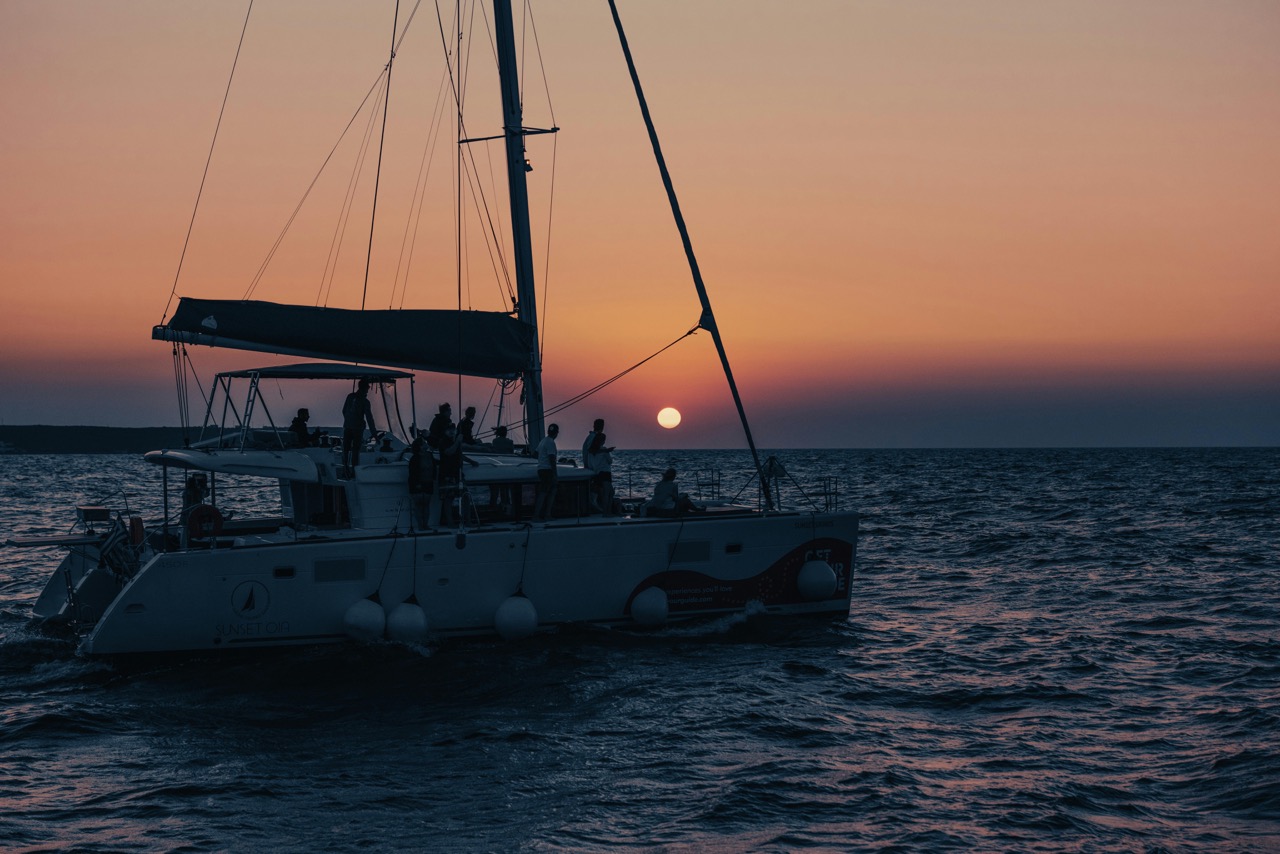
- December–February: Clear, dry skies. Crisp light, strong saturation. Best chance of seeing the rare “green flash.”
- March–April: Transition season. Slightly more cloud activity, which often produces richer pinks and magentas.
- July–August: Long, golden evenings. More humidity in the atmosphere softens the light beautifully.
- September–November: Hurricane season brings variable skies — but also the most dramatic, unpredictable colour shows of the year.
Setting an Alarm
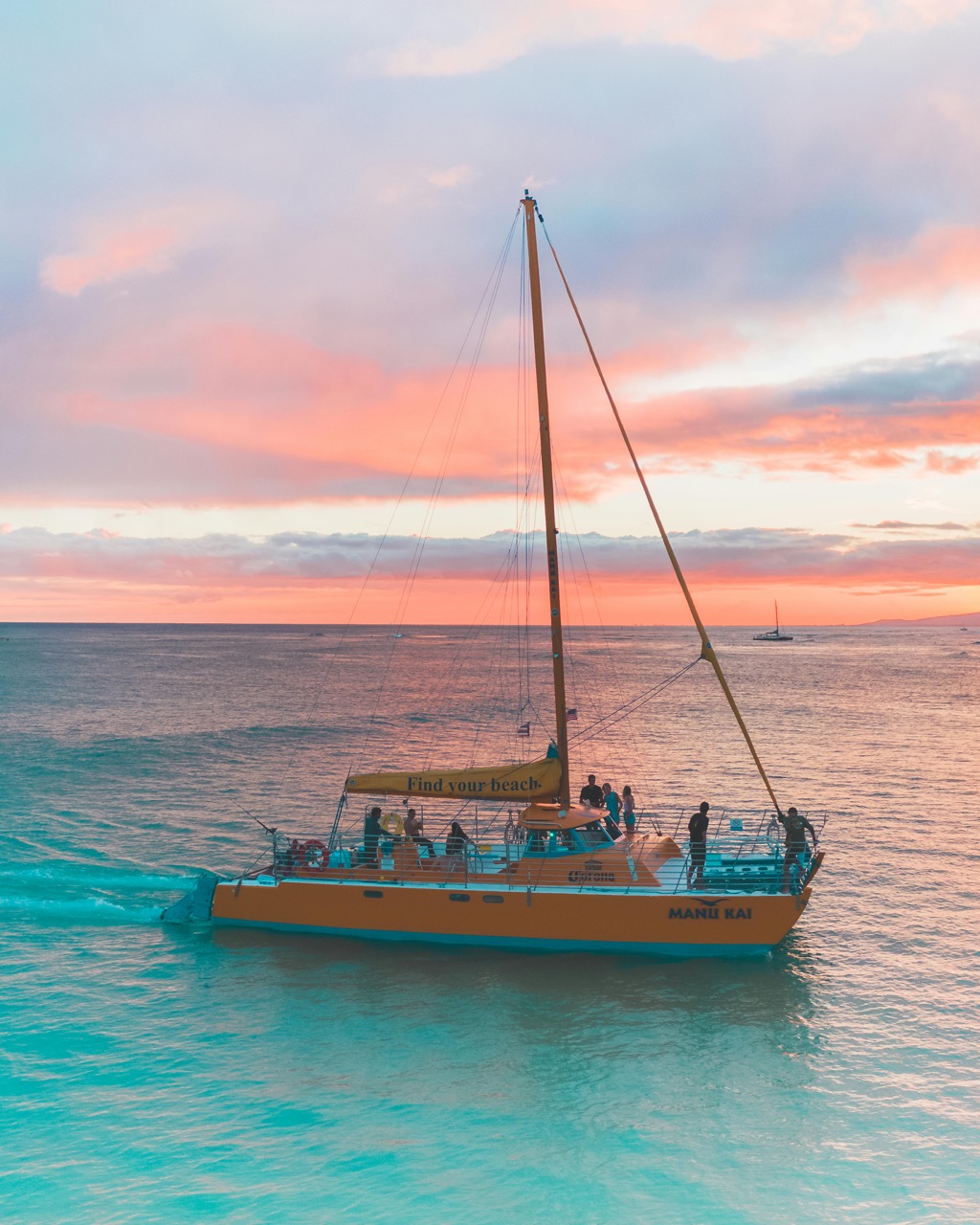
Most weather and sunset apps (including timeanddate.com) allow you to look up exact sunset times for Negril or any Jamaican parish by date. Save the time for each evening of your trip and set a 45-minute pre-sunset alarm. You’ll never miss a golden hour again.