Resort buffets often serve a sanitized version of Jamaica Food that misses the island’s true soul. Real flavor lives in smoky Portland jerk pits, Kingston cookshops, and roadside markets.
This guide reveals 12 essential dishes, including authentic Ital stews and seasonal fruit tips. You will learn exactly what to order and how to navigate cash-only stalls, timing, or local spice levels. Start with jerk pork for the fastest taste of the real Jamaica.
1. Jerk Pork and Chicken: The Pimento Difference
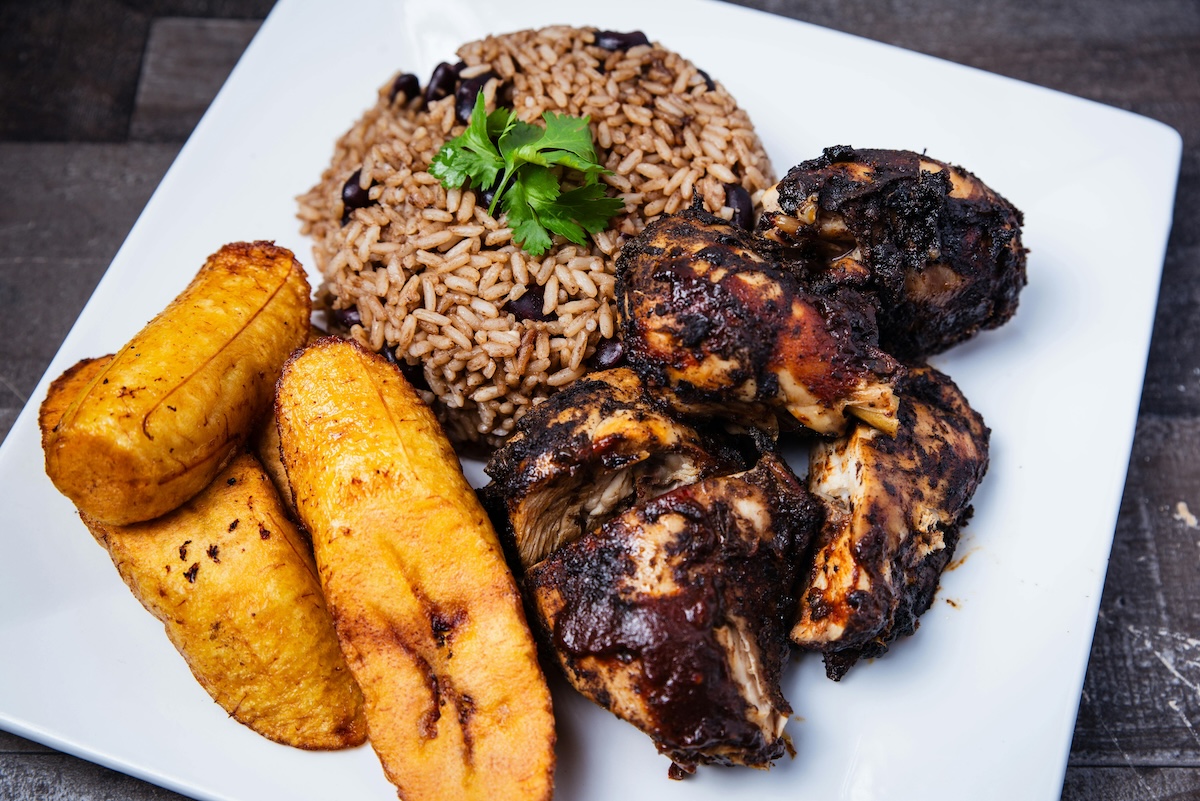
Resort buffet jerk often misses the dish’s smoky soul. Authentic jerk is defined by pimento wood fuel rather than just the spice rub. In Boston Bay and Portland, vendors slow-cook meat over green pimento logs. This timber infuses a floral, aromatic smoke that gas grills cannot replicate.
Urban jerk pans typically use charcoal for speed. This produces a punchier but less complex flavor than the traditional pit style. To find the most authentic version, look for vendors with visible stacks of pimento wood.
How to Order Like a Local:
- Verify the fuel: Ask if they use pimento wood or a charcoal mix.
- Select your cut: Request “bits” or a quarter-pound to sample multiple vendors.
- Choose sides: Balance the heat with festival (sweet fried dough), bammy, or rice and peas.
Pro Tips: Scotch Bonnet peppers provide a serious heat level. Traditional jerk relies on a dry rub, so sauce is usually served on the side. Bring Jamaican Dollars (JMD) for roadside pans, as they rarely accept cards.
2. Ackee and Saltfish: The National Breakfast
Skipping Jamaica’s national dish because of its reputation is a mistake. Ackee and saltfish combines soft fruit with flaked salted cod, onions, aromatic thyme, and scotch bonnet peppers. While it visually resembles scrambled eggs, the texture is rich yet delicate and the flavor is uniquely savory. It remains the island’s most iconic morning meal.
For safety, never harvest or prepare unknown ackee yourself. The fruit is only edible once it has ripened and opened naturally on the tree. Stick to established hotels or busy local cookshops where experienced professionals handle the preparation.
Order “Ackee and saltfish with food” during breakfast or weekend brunch hours. Standard pairings include:
- Fried or boiled dumplings
- Ground provision (boiled yam and green banana)
- Sautéed callaloo
3. Ital Stew: The Spiritual Soul of Plant-Based Eating
Ital is the Rastafarian approach to “vital” eating. It emphasizes natural, plant-forward ingredients with minimal processing. While specific practices vary by cook, traditional pots usually exclude added salt, relying instead on fresh herbs and Scotch Bonnet peppers for depth.
The staple dish is a hearty stew simmered in a rich coconut milk base. These bowls feature pumpkin, callaloo, and “ground provisions” like yellow yam, green banana, and breadfruit. This is the ideal choice for plant-based travelers and health-conscious visitors seeking authentic Jamaica food.
How to Order Like a Local:
- Ask if the pot is “strictly Ital” (no salt) or “Ital-style” to understand the seasoning.
- Check whether the base is coconut milk or water and which provisions are currently in-season.
- Locate small, dedicated Ital kitchens instead of modern vegan cafes. Look for local lunch spots featuring red, gold, and green signage.
4. Jamaican Patties: The Reliable Island Staple
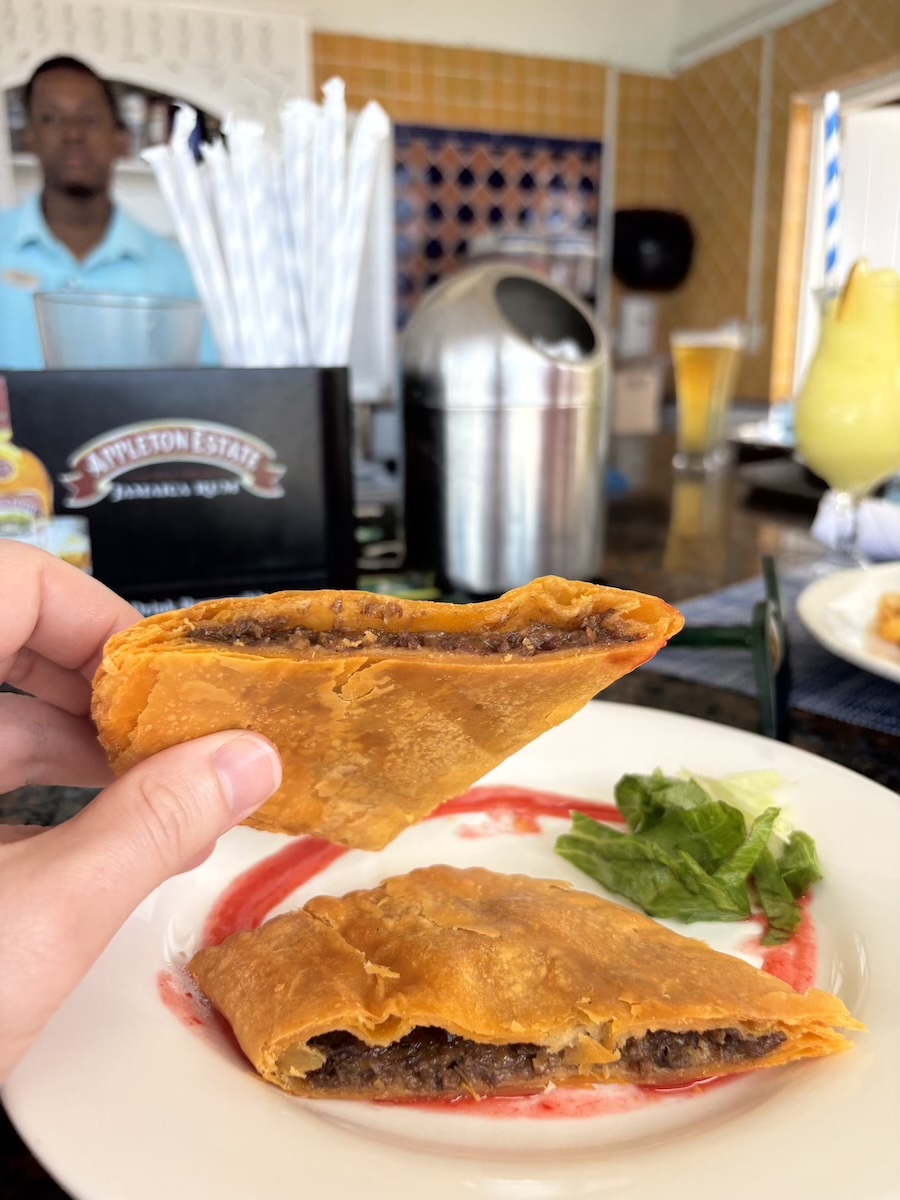
Jamaican patties are the island’s primary grab-and-go meal rather than a tourist gimmick. This staple features a yellow, flaky pastry crust filled with seasoned meat or vegetables. It is a reliable entry point into Jamaica food for travelers needing a quick, portable snack.
Start with the classic beef filling. For the most authentic experience, order yours tucked inside coco bread. This sweet, buttery loaf creates a sandwich that balances the spice and turns the snack into a hearty meal.
Find hot patties at:
- Juici Patties or Tastee chains
- Transit hubs and bus terminals
- Gas station convenience stores
Ask which flavor just came out of the oven for the flakiest crust. Be cautious on your first bite as the filling stays extremely hot.
5. Jamaican Oxtail: The Slow-Cooked Lunchtime Essential
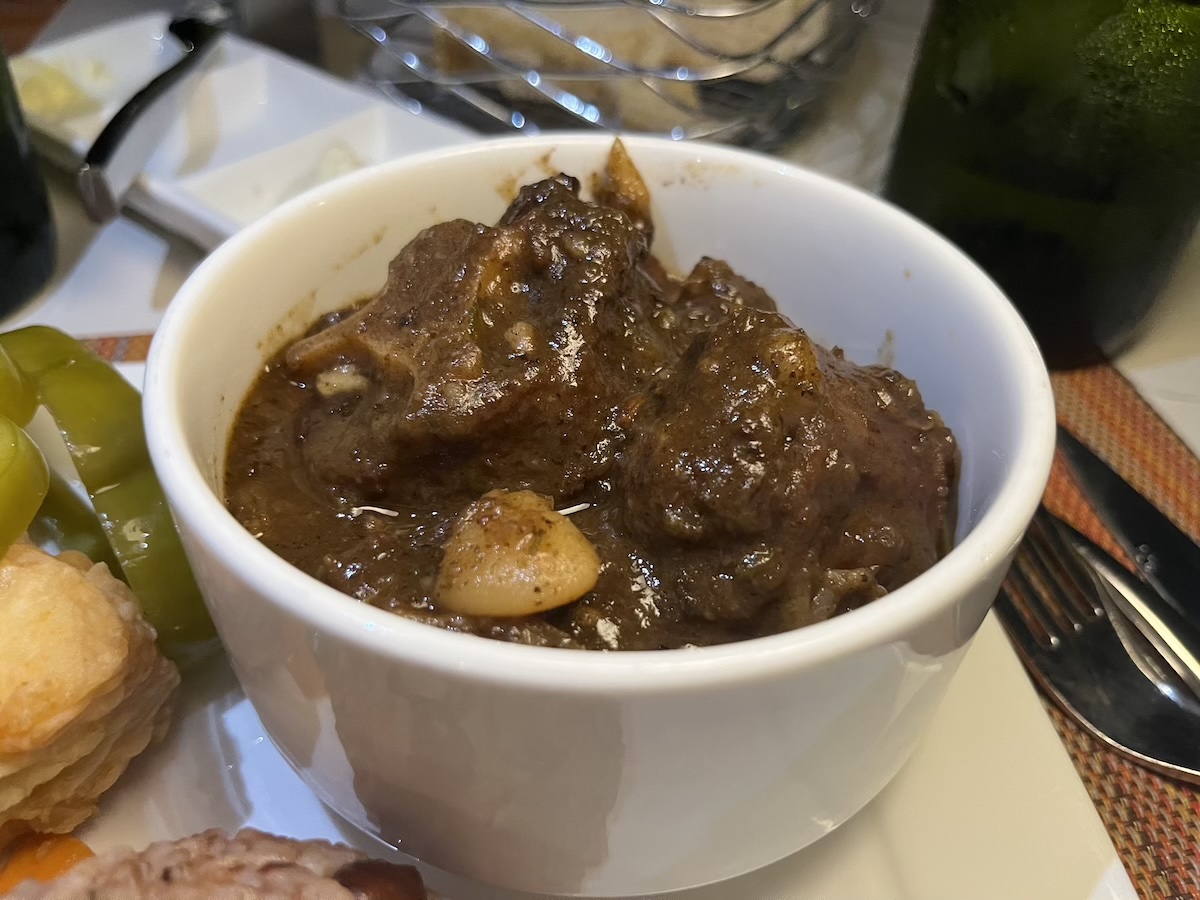
Oxtail is Jamaica’s most coveted dish, and it often sells out by mid-afternoon. The meat is slow-braised for hours until it falls off the bone into a rich, brown gravy thickened with creamy butter beans. Expect a heavy, savory meal served as a full plate rather than a light snack.
To order, ask for an “oxtail plate.” A standard serving includes:
- Rice and peas (or white rice)
- Steamed cabbage or seasonal vegetables
- A side of fried plantains
Authentic oxtail is naturally bony and gelatinous. If you prefer a less fatty texture, ask your server for “leaner pieces” before they plate your order. Time your visit for lunchtime or weekend specials to guarantee a serving.
6. Curry Goat: The Island’s Favorite Celebration Dish
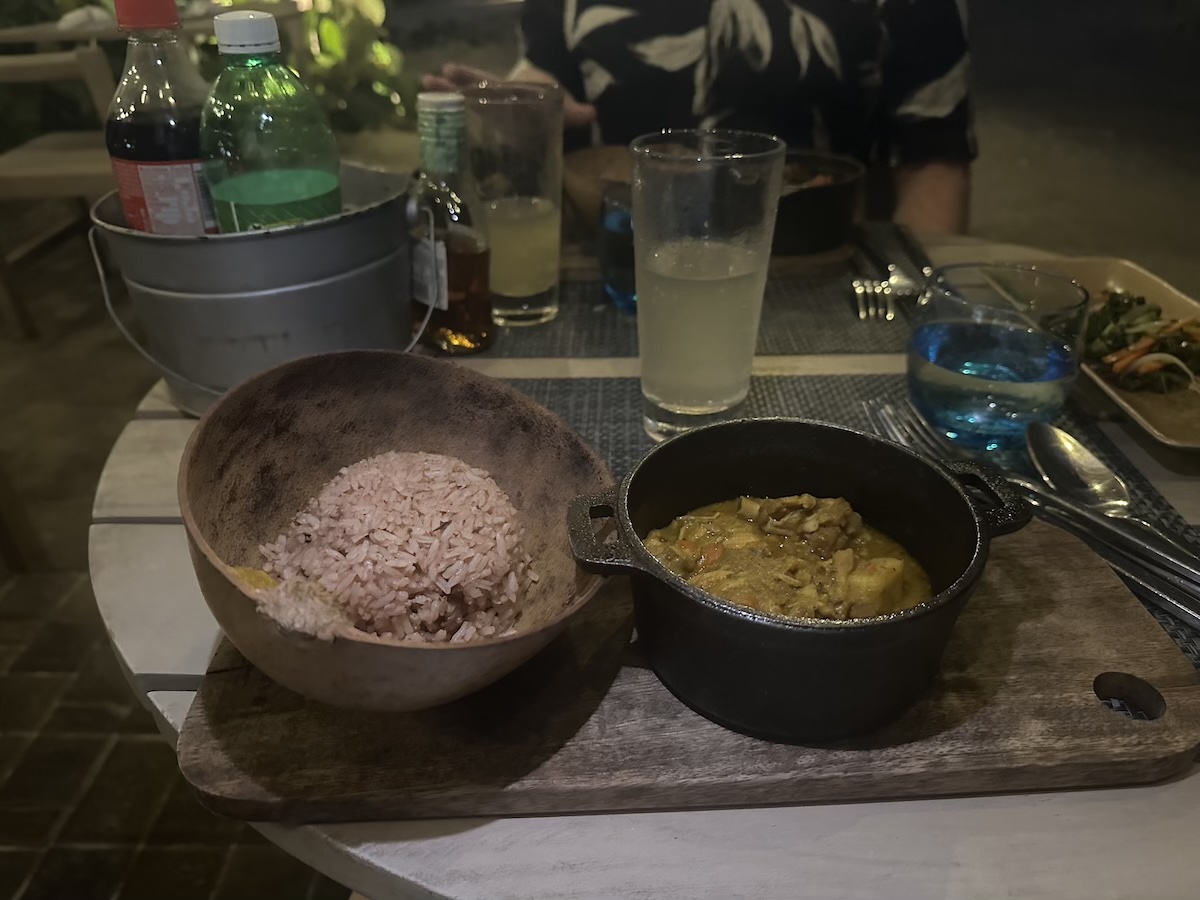
Jerk is famous, but curry goat is the staple of Jamaican food at weddings and holiday parties. This fusion of 19th-century Indian spices and local ingredients results in a savory, aromatic gravy. Chefs slow-simmer the meat until it falls off the bone. A high-quality version is fragrant and never greasy so the gravy soaks perfectly into your starch.
How to Order:
- Ask for “mild” if you are spice-sensitive to avoid the heavy Scotch Bonnet kick.
- Choose your starch: White rice absorbs gravy best, but rice and peas or ground provisions are standard.
- If you are hesitant about goat, curry chicken offers the same seasoning style with a familiar protein.
7. Escovitch Fish: The Crisp Coastal Alternative
Escovitch fish is a refreshing contrast to Jamaica’s heavier stews. The dish features fresh fish fried until golden and topped with a dressing of onions, carrots, and scotch bonnet peppers pickled in vinegar. The term escovitch refers to this tangy, crunchy vegetable medley.
Ideal for beach days, it offers high flavor without the weight of thick sauces. When ordering, ask for the catch of the day. Red snapper is the local favorite for its firm texture and ability to hold the pickled heat.
How to complete your plate:
- Sides: Choose bammy (cassava flatbread) or festival (sweet fried dough).
- Greens: Add a simple garden salad to balance the vinegar.
- Bone Check: Most vendors serve fish whole. Ask if it is “boned” to avoid surprises while eating.
8. Stew Peas: The Ultimate One-Pot Comfort
Stew Peas is the heavyweight of Jamaican comfort food. It follows a specific one-pot logic: red kidney beans simmered in coconut milk until they form a thick, savory gravy. The dish relies on:
- Fresh thyme and pimento berries
- Salted beef or pig tail
- “Spinners” (small, hand-rolled dumplings)
Authentic versions often include chicken foot for richness. This creates a creamy, herbaceous, and filling meal.
How to Order: Find this during lunch at local cookshops or market kitchens. Order “stew peas with rice” and verify if it includes spinners. Ask the cook which meats are in the pot if you have specific preferences. Start with a small serving; it is much heavier than a standard soup.
9. Jamaican Porridge: The Island’s True Morning Fuel
While ackee and saltfish is the national dish, porridge is Jamaica’s true weekday fuel. Locals line up at roadside stalls from 7:00 AM for these thick, creamy cups. They are served piping hot and provide lasting energy for the day.
- Cornmeal: The smooth, nutmeg-infused island classic.
- Peanut: A rich, protein-heavy, and nutty option.
- Banana or Plantain: Naturally sweet and velvety.
Look for “porridge men” at markets or roadside stops before 9:00 AM. Ask which varieties are fresh today and specify your sweetness preference. Most recipes use condensed milk, so verify if a coconut-based option is available if you avoid dairy. These servings are deceptively filling; share one if you have lunch plans.
10. The Essential Sides: Festival, Bammy, and Coco Bread
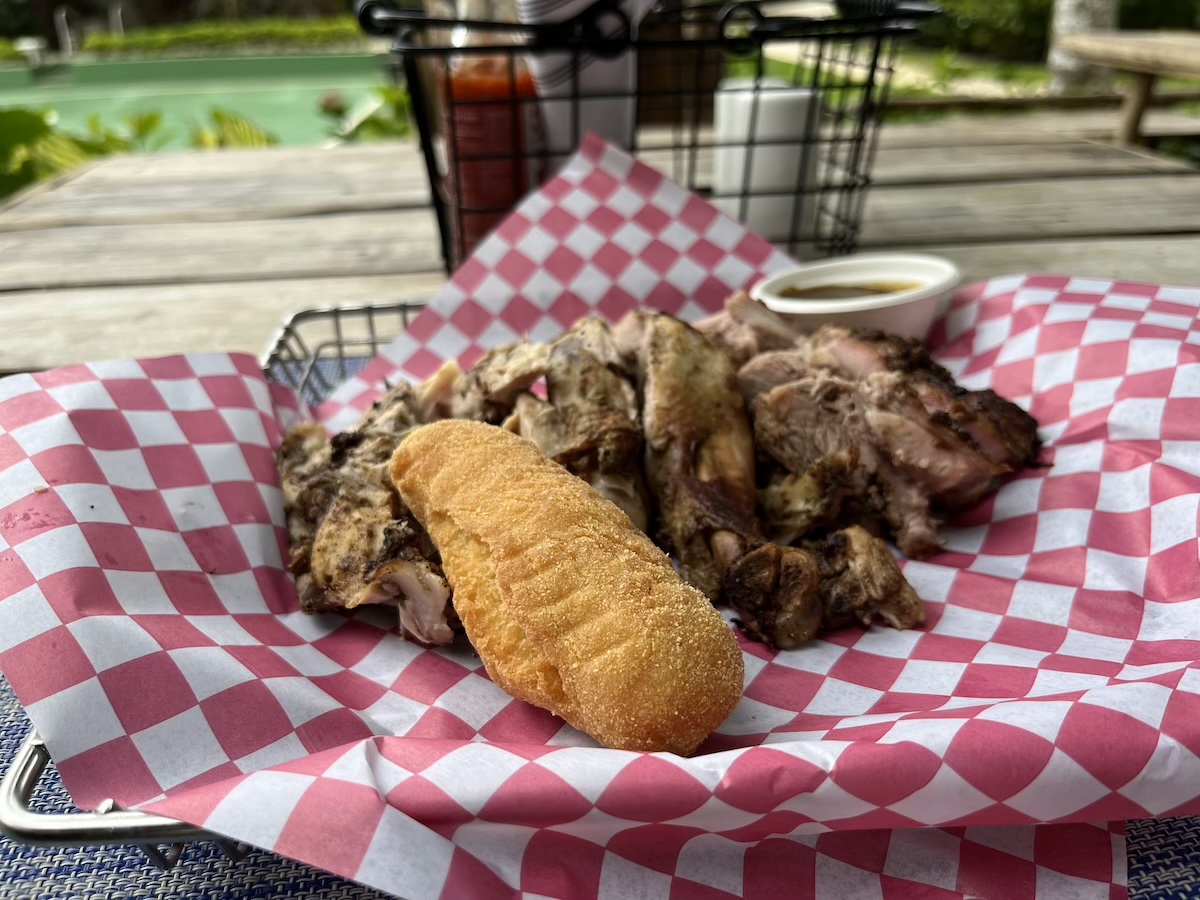
Ordering the right side transforms a Jamaican meal from a quick snack into an authentic experience. Use these staples to avoid “pairing regret” at roadside jerk pits or beachside fish stalls.
- Festival: Sweet fried dough with a crisp exterior. The sugar perfectly balances the intense Scotch bonnet heat in jerk pork or chicken.
- Bammy: A neutral, chewy cassava flatbread. It is the best partner for Escovitch fish, as it absorbs the acidic vinegar sauce.
- Coco Bread: A soft, buttery roll designed specifically to sandwich a hot, flaky meat patty.
How to choose:
- Eating Jerk? Order festival.
- Eating Fried Fish? Get bammy.
- Eating Patties? Add coco bread.
These sides are dense and mostly fried. Split portions if you are sampling multiple stalls to avoid feeling overly full too early.
11. Seasonal Fruit: A Practical Calendar
In Jamaica, timing determines whether fruit is a revelation or a disappointment. Eating seasonally is the easiest way to experience authentic island flavors with zero preparation. Use these peak windows to guide your market visits:
- Mango: April to September (Peak May to June)
- Ackee: January to March and June to August
- Star Apple & Soursop: November to March
- Pineapple: May to July (generally available year-round)
To buy like a local, find a busy roadside vendor and ask “what is sweetest right now?” High-volume stalls ensure freshness. Always wash or peel fruit before eating. These seasons shift based on rainfall and parish geography, so use this calendar as a guide rather than a strict guarantee.
12. Modern Jamaican Gastronomy: The Next Layer
After mastering the roadside jerk pit, explore Jamaica’s “second layer” of dining. Modern gastronomy updates traditional anchors like pimento, scotch bonnet, and coconut with refined techniques and elevated plating. This evolution prioritizes seasonal produce and creative mash-ups over standard tourist fare.
Look for these on contemporary menus:
- Jerk-inspired small plates
- Elevated seafood paired with ground provisions
- Modern takes on the classic patty
- Locally sourced seasonal vegetable towers
Start with “foundation” foods like ackee and saltfish first. Then, head to Kingston or high-end coastal bistros for your culinary upgrade. Ask servers about the house specialty or what is currently in season. Expect higher prices than street food and book ahead, as reservations are essential for modern Jamaica food.
Frequently Asked Questions About Jamaican Food
Is ackee safe to eat in Jamaica? Ackee is perfectly safe to eat when it is harvested and prepared by experienced cooks. The fruit must ripen and open naturally on the tree to release toxic gases before it is safe for consumption. You should never attempt to pick or prepare wild ackee yourself. Instead, enjoy this national dish at reputable restaurants or busy local cookshops. See the section on Ackee and Saltfish above for more safety details.
What exactly is Ital food and is it always vegan? Ital is a way of eating rooted in Rastafarian principles that emphasizes natural, “vital” foods with minimal processing. While it is predominantly plant based, the strictness of the diet varies by cook. Traditional Ital is often vegan and prepared without added salt, using coconut milk and fresh herbs for flavor. You should ask the kitchen about their specific ingredients since some versions might include different local provisions or varying seasoning levels.
How spicy is Jamaican food and how do I order mild? Heat levels vary by cook, but the famous Scotch Bonnet pepper provides a fruity yet intense kick to most dishes. If you are sensitive to spice, ask for your meal to be prepared “mild” or “without pepper” and use bottled sauce on the side to control the heat. Keep in mind that jerk is often marinated with spices before cooking. It can be quite spicy even without extra sauce, so taste a small piece first.
Do I need cash for street food and what should I expect to pay? Cash is essential for the street food experience because most roadside jerk pans and market stalls do not accept credit cards. You should carry small denominations of Jamaican Dollars (JMD) for easier transactions and better pricing. Prices vary by parish and can fluctuate due to inflation, so it is helpful to ask the price before the vendor plates your food. Look for busy stalls with posted price boards to ensure you are getting a fair local rate.
How do I avoid tourist trap food without missing the fun? To find the most authentic meals, follow local density and look for spots with high turnover during daytime peak hours. A steady crowd of locals usually indicates fresh ingredients and traditional cooking methods. You can verify authenticity by asking a simple question, such as whether the vendor uses pimento wood for their jerk. Starting with smaller portions allows you to sample multiple dishes safely while you explore different flavors across the island.